
Introduction
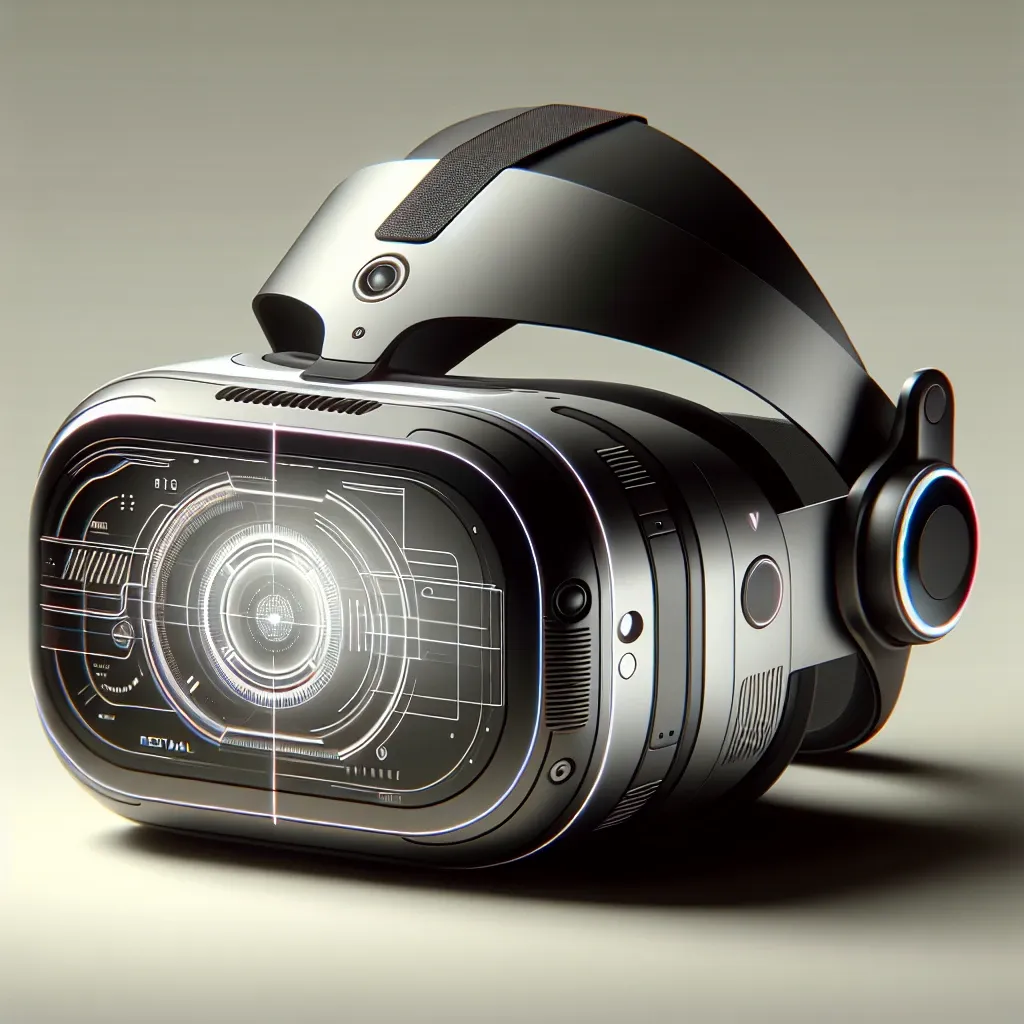
The world of virtual reality is constantly evolving, and Valve, a key player in the gaming industry, has unveiled its latest innovation—a prototype VR headset with retinal resolution. This announcement has sent waves of excitement through the tech community as enthusiasts and professionals alike ponder the implications of such advanced technology.
The Concept of Retinal Resolution
Retinal resolution refers to the level of detail that the human eye can perceive. In the context of VR, achieving retinal resolution means that the visuals are so sharp and clear that they mimic the real world, making the experience more immersive than ever before. Valve’s new headset aims to push the boundaries of what is possible in virtual reality, bringing us closer to a fully immersive experience.
Historical Context
Valve has a rich history in the gaming industry, known for its innovative titles like Half-Life and Portal, as well as its critically acclaimed gaming platform, Steam. The company’s foray into virtual reality began with the HTC Vive, which was a collaborative effort with HTC. This partnership set the stage for Valve’s future developments in VR technology.
Evolution of VR Headsets
- Early Beginnings: The first VR headsets emerged in the 1960s with devices like the Sensorama. However, these were rudimentary and did not gain mainstream traction.
- Renaissance of VR: The 2010s saw a resurgence in interest with the launch of the Oculus Rift, followed by other headsets like the HTC Vive and PlayStation VR.
- Current Trends: Today, advancements in technology, including higher refresh rates and better field of view, are driving the market towards more sophisticated devices.
Valve’s New Prototype
The prototype VR headset revealed by Valve stands out due to its focus on achieving retinal resolution. This ambitious project is designed to enhance various aspects of the VR experience, making it more engaging for users. Here are some key features:
Key Features of the Valve VR Headset
- High Pixel Density: The prototype boasts an impressive pixel density, significantly reducing the screen door effect that has plagued VR headsets in the past.
- Wide Field of View: A wider field of view means users can experience a more natural visual range, akin to peripheral vision in the real world.
- Advanced Tracking Technology: The headset incorporates advanced tracking technology to ensure that movements are accurately reflected in the virtual environment.
- Comfort and Ergonomics: Valve has prioritized comfort, making sure the headset can be worn for extended periods without causing strain.
Pros and Cons
Pros
- Unmatched Visual Quality: The most significant advantage of the new headset is its potential for unparalleled visual fidelity.
- Enhanced Immersion: With realistic graphics, users can enjoy a truly immersive experience that blurs the line between reality and virtuality.
- Potential for Innovation: The technology could lead to new applications in gaming, education, and training simulations.
Cons
- Cost: Advanced technology often comes with a hefty price tag, which could limit accessibility for the average consumer.
- Technical Challenges: Achieving retinal resolution may require powerful hardware, potentially leading to compatibility issues.
- Development Time: As a prototype, the final product could still be years away from reaching consumers.
Expert Opinions
Industry experts have shared mixed perspectives on Valve’s latest announcement. Some believe this is a significant leap forward for VR, while others caution that the technology must be refined before it can become mainstream. John Carmack, a prominent figure in the VR space, stated, “The pursuit of retinal resolution is an exciting venture, but the real challenge lies in making it accessible and affordable for everyone.”
Future Predictions
As Valve progresses with the development of its prototype, several outcomes could unfold:
- Market Disruption: If successful, the headset could disrupt the VR market, setting a new standard for what consumers expect.
- Wider Adoption: Improved visuals could lead to a wider adoption of VR technology across various sectors, including healthcare and education.
- Increased Competition: Other companies may be encouraged to accelerate their research and development in VR to keep pace with Valve’s innovation.
Conclusion
Valve’s prototype VR headset with retinal resolution represents a significant advancement in virtual reality technology. While there are challenges ahead, the potential benefits are immense. As we await further developments, this unveiling serves as a powerful reminder of how far the VR industry has come and where it might be headed in the future.
Stay tuned for more updates as Valve continues to refine its groundbreaking technology, paving the way for the next generation of virtual reality experiences.




Leave a Reply