
Introduction
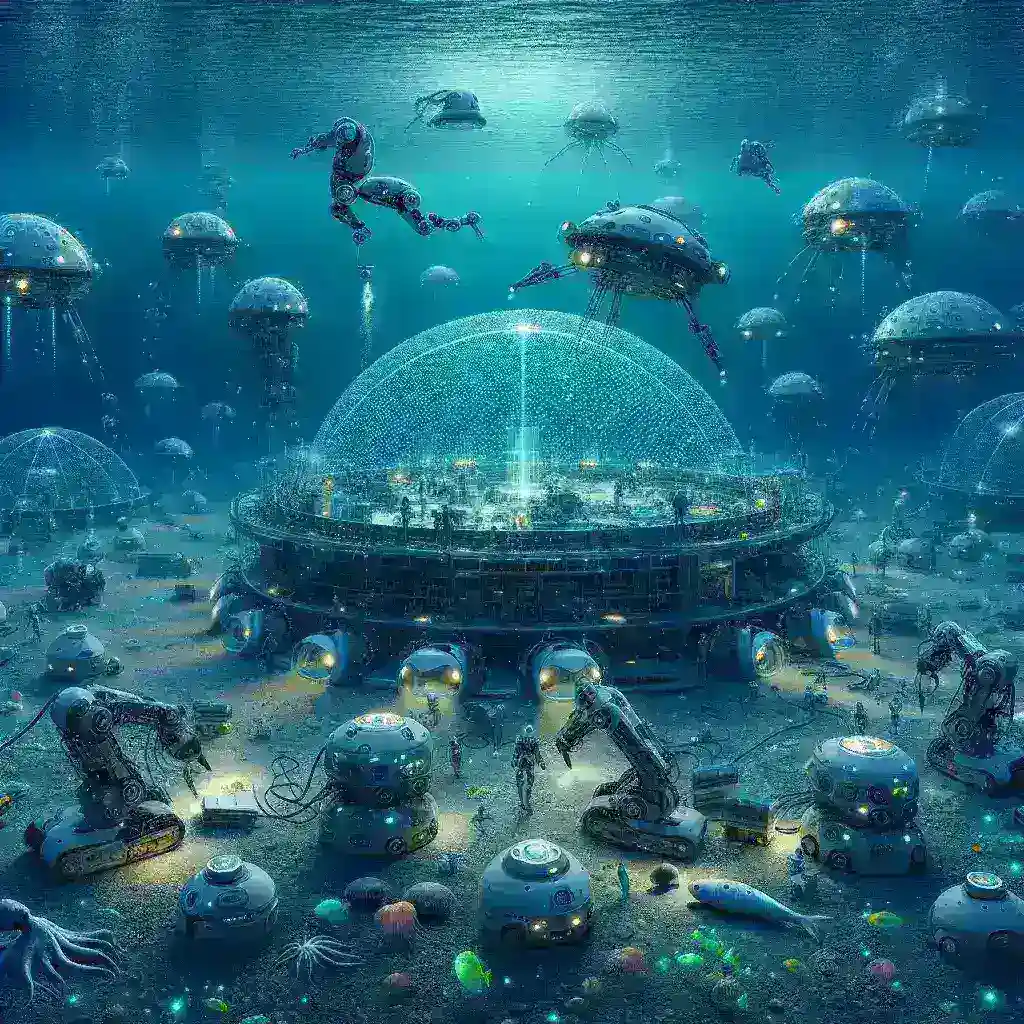
In recent years, the intersection of artificial intelligence (AI) and robotics has heralded a new era in marine research. AI robotic systems are now at the forefront of constructing underwater habitats, facilitating groundbreaking discoveries in oceanography, marine biology, and environmental science. This article delves into the innovative technologies behind these robotic systems, their applications in underwater habitat construction, and their implications for marine research.
Historical Context
The quest to explore and understand marine ecosystems dates back centuries. Early marine explorers relied on rudimentary tools and vessels, while modern advancements in technology have progressively enhanced our capabilities. The introduction of robotic systems in marine exploration began in the mid-20th century with remotely operated vehicles (ROVs) and autonomous underwater vehicles (AUVs). However, the integration of AI into these systems has revolutionized our approach to constructing underwater habitats.
The Evolution of Marine Robotics
Initially, marine robotics focused on exploration and data collection. With the advent of AI, these systems have evolved from mere tools of observation to autonomous entities capable of performing intricate tasks. AI algorithms enable robots to make real-time decisions, adapt to their environments, and learn from past experiences, greatly enhancing their efficiency and functionality.
Understanding AI Robotic Systems
AI robotic systems designed for underwater habitat construction incorporate various technologies, including machine learning, computer vision, and sensor fusion. These components work in tandem to allow robots to navigate complex underwater environments, recognize obstacles, and construct habitats with minimal human intervention.
Key Components of AI Robotic Systems
- Machine Learning: Enables robots to learn from data and improve their performance over time.
- Computer Vision: Allows robots to interpret visual information from their surroundings, facilitating navigation and spatial awareness.
- Sensor Fusion: Integrates data from various sensors (sonar, cameras, temperature sensors) to create a comprehensive understanding of the environment.
Applications in Underwater Habitat Construction
AI robotic systems are transforming the construction of underwater habitats in several ways:
1. Autonomous Construction
AI-driven robots can autonomously construct habitats using specialized components designed for underwater resilience. These robots are capable of assembling structures using modular designs that can be easily transported and deployed.
2. Monitoring and Maintenance
Once habitats are constructed, AI robotic systems can continuously monitor their condition. Equipped with sensors, these robots can detect structural issues, assess environmental changes, and perform maintenance tasks as needed, ensuring the longevity of underwater research facilities.
3. Data Collection and Analysis
These robotic systems can also gather critical data from the surrounding environment. By analyzing temperature, salinity, and biodiversity data, researchers can gain insights into marine ecosystems and their responses to climate change.
Case Studies of Successful Implementations
Several projects have successfully integrated AI robotic systems into underwater habitat construction:
1. The Ocean Infinity Project
Ocean Infinity, a marine robotics company, has developed advanced AUVs equipped with AI algorithms to map the ocean floor and identify suitable sites for constructing underwater habitats. Their autonomous systems can operate in challenging conditions, collecting vast amounts of data for marine research.
2. The European Space Agency’s Ocean Habitats Project
This initiative aims to create sustainable underwater habitats for research and exploration. AI robotic systems are central to their construction, utilizing modular designs that allow for easy assembly and reconfiguration based on research needs.
Challenges and Considerations
While the potential of AI robotic systems in constructing underwater habitats is immense, several challenges must be addressed:
1. Technical Limitations
Despite advancements, underwater robotics still face technical challenges, such as communication limitations and energy constraints. Ensuring consistent connectivity and power supply for long-duration missions remains a focus of ongoing research.
2. Environmental Impact
Constructing underwater habitats must consider the impact on marine ecosystems. It is crucial to develop construction techniques that minimize disruption to local wildlife and habitats.
3. Ethical Considerations
As AI systems become more autonomous, ethical questions arise regarding their decision-making processes. Ensuring human oversight and accountability in their operations is vital to prevent unintended consequences.
Future Predictions
As technology continues to evolve, the future of AI robotic systems in underwater habitat construction looks promising:
1. Increased Autonomy
Future robotic systems will likely possess enhanced autonomy, enabling them to undertake more complex construction tasks without human intervention.
2. Enhanced Collaboration
AI systems will increasingly collaborate with human researchers, combining the strengths of both to achieve more effective outcomes in marine research.
3. Global Outreach
With advancements in AI robotics, the ability to deploy underwater habitats in diverse marine environments worldwide will expand, facilitating global marine research initiatives.
Conclusion
The integration of AI robotic systems in constructing underwater habitats marks a significant milestone in marine research. As these technologies advance, they hold the potential to revolutionize our understanding of the marine environment, paving the way for sustainable exploration and conservation efforts. The future of marine research is bright, with AI robotic systems poised to lead the charge into uncharted underwater territories.




Leave a Reply