
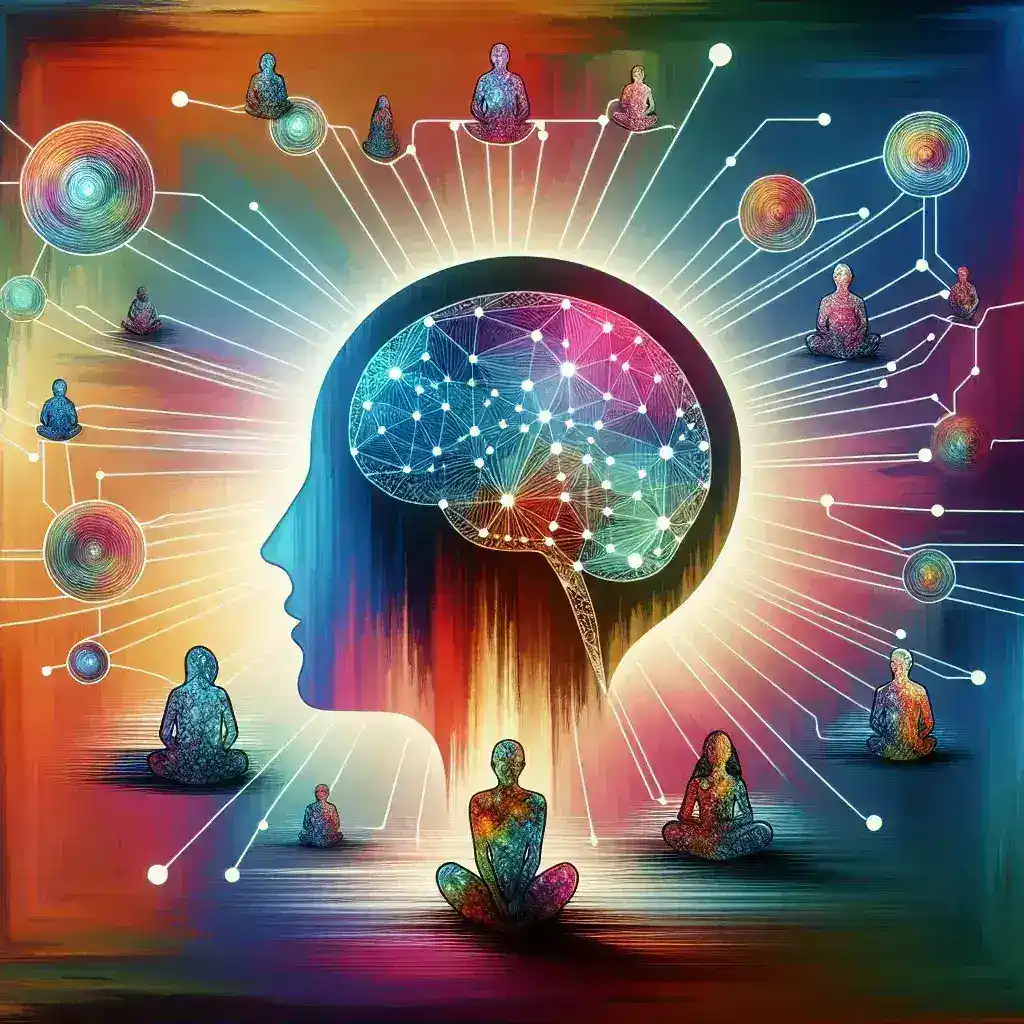
The Rise of AI in Mental Health
In recent years, the intersection of artificial intelligence (AI) and mental health has emerged as a groundbreaking field. The integration of AI technologies into mental health support systems offers remarkable opportunities to improve and personalize care for individuals struggling with mental health issues. With AI’s capacity to analyze vast amounts of data, it can provide insights that were previously inaccessible, enabling better understanding and treatment of mental health conditions.
Understanding AI’s Role
AI technology encompasses a variety of tools and methodologies, such as machine learning, natural language processing, and chatbots. These tools can assist mental health professionals by:
- Analyzing Patient Data: AI can evaluate patient data to identify patterns and predict mental health crises.
- Providing Virtual Support: AI-driven chatbots can offer 24/7 support, empowering individuals to discuss their feelings in a non-judgmental space.
- Enhancing Accessibility: AI applications can make mental health resources more readily available, especially in underserved communities.
Benefits of AI in Mental Health
The application of AI within mental health not only streamlines processes but also enhances the overall care experience for patients. The benefits include:
- Increased Engagement: Patient engagement can be improved through interactive AI platforms that provide personalized mental health resources.
- Timely Interventions: Early detection algorithms can significantly reduce the risk by alerting professionals to potential crises.
- Personalized Treatment Plans: AI can analyze individual responses to various therapies and recommend tailored treatment strategies.
AI Tools in Mental Health Support
Several AI-driven tools and platforms have been developed to support individuals experiencing mental health issues:
- Therapeutic Chatbots: These chatbots simulate conversation with users, helping to alleviate anxiety and provide coping strategies.
- Mobile Apps: Mental health apps integrate AI to offer tools such as mood tracking and personalized exercises.
- Telehealth Services: AI can enhance remote therapy by matching patients with the right professionals based on their specific needs.
Addressing Challenges
While AI has the potential to revolutionize mental health support, certain challenges must be addressed:
- Data Privacy: Ensuring that patient data is handled securely is paramount.
- Ethical Considerations: Ethical guidelines must be established to govern the use of AI in sensitive mental health contexts.
- Integration with Traditional Care: AI should complement, not replace, human interaction in therapeutic settings.
The Future of AI in Mental Health
Looking ahead, AI’s role in mental health support is likely to expand. As technology evolves, we may see enhanced predictive analytics for mental health crises, more sophisticated AI companions for therapeutic support, and improved patient outcomes overall. The collaboration between technology and mental health professionals holds the promise of delivering more effective, customized care.
Conclusion
The integration of AI into mental health support systems marks a significant step forward in providing accessible and personalized care. By embracing these innovative technologies, we can empower individuals to better manage their mental health and foster a supportive environment for those in need.





Leave a Reply