
Introduction
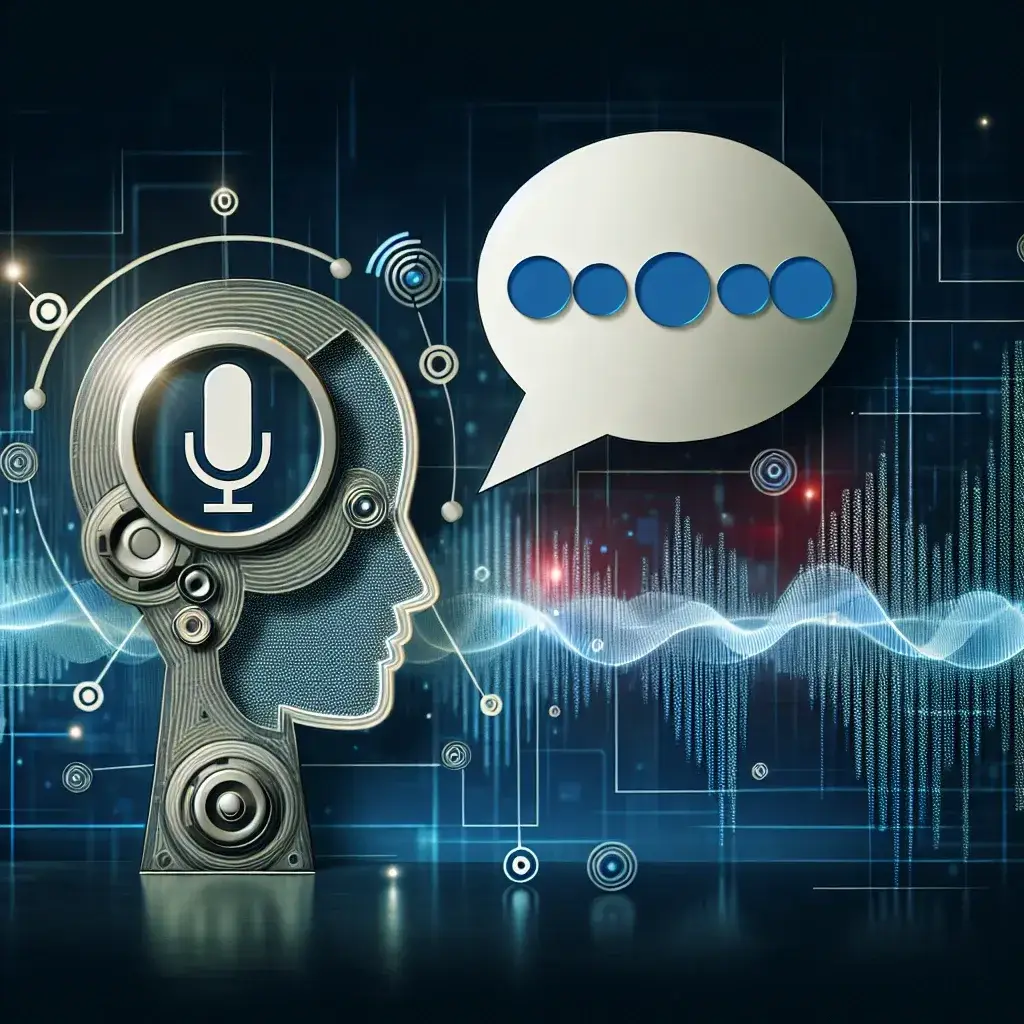
In the evolving landscape of artificial intelligence, the ability of models like ChatGPT to communicate naturally has become increasingly crucial. As users seek more engaging and lifelike interactions, voice mode improvements have significantly enhanced how ChatGPT sounds. This article delves into the various advancements that have made ChatGPT’s voice mode more natural, exploring its implications for users and future developments.
The Evolution of Voice Technology
Voice technology has come a long way since the early days of basic speech synthesis. Initially, models produced robotic and unnatural speech that often led to misunderstandings, which hindered user experience. The field has made remarkable progress over the years, driven by advancements in machine learning, natural language processing (NLP), and deep learning.
1. Early Voice Synthesis
In the early 2000s, text-to-speech (TTS) systems relied heavily on pre-recorded audio snippets, leading to a disjointed listening experience. These systems lacked flexibility, making it challenging for users to engage in fluid conversations.
2. Introduction of Neural Networks
The advent of neural networks marked a turning point in voice technology. By mimicking human-like patterns in speech, these models could generate smoother and more coherent outputs. This breakthrough laid the groundwork for the development of more advanced voice synthesis systems.
3. Real-Time Voice Mode Improvements
Recent improvements have enabled real-time voice mode capabilities that adjust tone, pitch, and cadence dynamically, making interactions feel more conversational. ChatGPT has integrated these advancements into its voice mode, leading to a more natural dialogue experience.
How Voice Mode Improvements Enhance Naturalness
The enhancements in ChatGPT’s voice mode are notable for several reasons. These include improved linguistic features, emotional expression, and dialect adaptability.
1. Linguistic Features
ChatGPT’s updated algorithms focus on understanding and incorporating linguistic nuances, such as:
- Prosody: The rhythm, stress, and intonation of speech that contribute to the expressiveness of dialogue.
- Context Awareness: The ability to adjust speech patterns based on the context of the conversation, allowing for more relevant responses.
- Natural Pauses: Incorporating pauses that mimic human speech patterns, creating a more engaging listening experience.
2. Emotional Expression
One of the key factors that enhance the naturalness of ChatGPT’s voice mode is its capacity to convey emotions effectively. By using machine learning techniques, the model can identify and replicate emotional tones, resulting in:
- Empathetic Responses: The ability to respond to user emotions appropriately, fostering a deeper connection.
- Vocal Variance: Adjusting voice modulation to reflect excitement, sadness, or curiosity, enhancing the emotional depth of conversations.
3. Dialect and Accent Adaptability
As the global user base continues to expand, the need for dialect and accent recognition has become paramount. ChatGPT has made significant strides in this area by:
- Regional Accents: Supporting various accents, allowing users from different backgrounds to feel more comfortable and understood.
- Language Nuances: Understanding and replicating regional dialects and colloquialisms, making interactions feel more familiar and relatable.
Benefits of Natural Voice Interactions
The improvements in voice mode have not only enhanced the clarity and engagement of interactions but also provided several benefits:
1. Increased User Engagement
Users are more likely to engage with a model that sounds authentic and relatable. The natural flow of conversation encourages longer interactions and a more satisfying user experience.
2. Enhanced Accessibility
Natural voice modes contribute to accessibility, making technology more inclusive for individuals with difficulties in reading or understanding text-based content. A lifelike voice can bridge communication gaps and make information more accessible.
3. Improved Learning Experiences
In educational contexts, natural voice interactions can facilitate better learning outcomes. Students are likely to retain information better when it is presented in a conversational manner, compared to a monotonous or robotic delivery.
Challenges and Considerations
Despite these advancements, there are still challenges and considerations that must be addressed:
1. Ethical Implications
As voice technology evolves, ethical concerns arise regarding its use. Ensuring that voice interactions are transparent and do not manipulate user emotions is crucial.
2. Privacy Concerns
With voice data being processed continuously, users may have concerns about privacy and data security. Establishing robust security measures is essential to maintain user trust.
Future Predictions
Looking ahead, the future of voice mode improvements within AI technologies, such as ChatGPT, appears promising. Some predictions include:
1. Greater Personalization
As AI continues to learn from user interactions, voice modes may become increasingly personalized, adapting to individual preferences and speech patterns.
2. Multimodal Interactions
The integration of voice with other forms of input, such as visual and tactile, will likely create a more immersive user experience.
3. Cross-Platform Compatibility
Future developments may lead to enhanced compatibility across various devices, allowing users to experience natural voice interactions seamlessly, whether on a smartphone, tablet, or other platforms.
Conclusion
In summary, the voice mode improvements in ChatGPT represent a significant leap towards achieving more natural and engaging conversations. By focusing on linguistic features, emotional expression, and dialect adaptability, these enhancements foster a deeper connection between users and technology. While challenges remain, the trajectory of voice technology is set toward creating a more inclusive and interactive future. As users continue to seek authentic interactions, the advancements in voice mode will undoubtedly play a crucial role in shaping the landscape of AI communication.


Leave a Reply