
Introduction
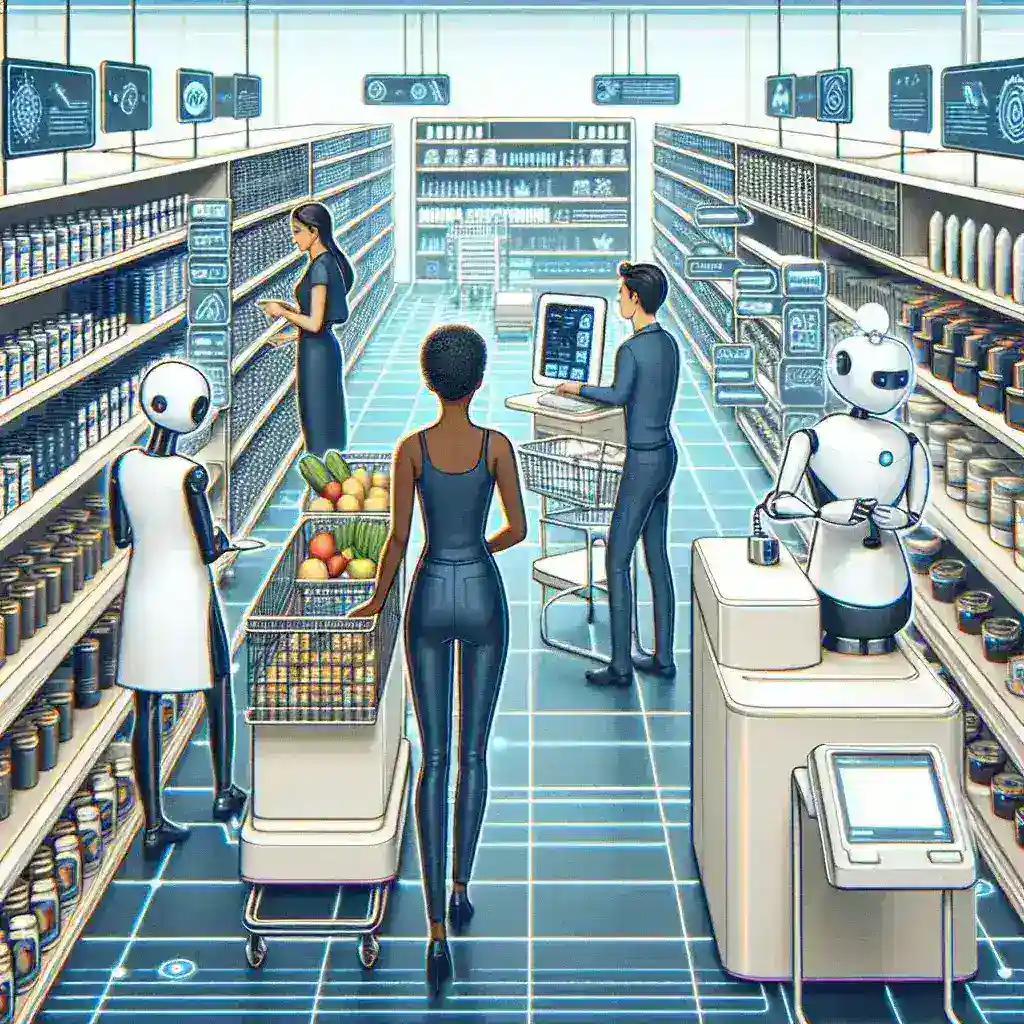
In recent years, artificial intelligence (AI) has made significant inroads across various industries, including retail. The emergence of automated retail systems has been a game-changer, promoting efficiency, enhancing customer experience, and facilitating data-driven decision-making. This article delves into the impact of AI on automated retail systems, examining its benefits, applications, and future potential.
What Are Automated Retail Systems?
Automated retail systems refer to the technologies and platforms that enable the retail process to occur with minimal human intervention. These can include self-service kiosks, vending machines, and fully automated stores. The core objective of automated retail is to streamline operations and provide customers with a convenient and efficient shopping experience.
The Role of AI in Automated Retail
AI plays a crucial role in enhancing automated retail systems. By leveraging machine learning algorithms, data analytics, and computer vision, AI contributes to various facets of the retail experience:
- Personalized Shopping Experience: AI analyzes customer preferences and behaviors, allowing retailers to offer personalized recommendations in real-time.
- Inventory Management: AI algorithms predict inventory needs based on consumer trends and purchasing history, ensuring optimal stock levels and reducing waste.
- Pricing Strategies: AI can dynamically adjust prices based on demand, competition, and other market factors, maximizing profit margins.
- Customer Service Enhancement: AI chatbot assistants can provide instant support and information to customers, smoothing out potential concerns and enhancing satisfaction.
Advantages of AI in Automated Retail Systems
1. Increased Efficiency
Automated retail systems powered by AI can process transactions quickly and accurately, significantly reducing wait times for consumers. This efficiency translates into higher throughput and maximizes sales opportunities.
2. Better Decision-Making
Through data analysis and predictive modeling, retailers gain valuable insights into consumer behavior, market trends, and operational performance—enabling more informed decision-making.
3. Enhanced Customer Insights
AI allows retailers to collect and analyze vast amounts of data on customer interactions, preferences, and purchasing patterns. This information can be instrumental in developing targeted marketing strategies and improving product offerings.
Challenges and Considerations
Despite the advantages, the implementation of AI in automated retail systems does not come without challenges.
- Data Privacy: Handling consumer data responsibly and maintaining privacy is a major concern that retailers need to address.
- Cost of Implementation: Establishing AI-driven systems can require significant upfront investments, which may deter smaller retailers.
The Future of AI in Automated Retail Systems
As technology continues to evolve, the integration of AI in automated retail systems is expected to grow. Advancements in natural language processing, computer vision, and robotics will further enhance the customer experience and operational efficiency.
Conclusion
AI is undoubtedly revolutionizing automated retail systems by enhancing efficiency, personalizing customer experiences, and driving business intelligence. With ongoing advancements, the future of retail promises to deliver even more significant innovations powered by AI.





Leave a Reply